For Amazon sellers, air freight from China to USA provides faster transportation, while ocean freight offers a cost-conscious option for planned inventory replenishment. However, the best shipping method depends on cargo volume, delivery deadlines, and inventory demand. Therefore, businesses need a logistics partner that balances transportation costs, service quality, and delivery coordination. Jinjieyun provides Amazon FBA ocean freight services for businesses shipping products from China to overseas fulfillment centers.
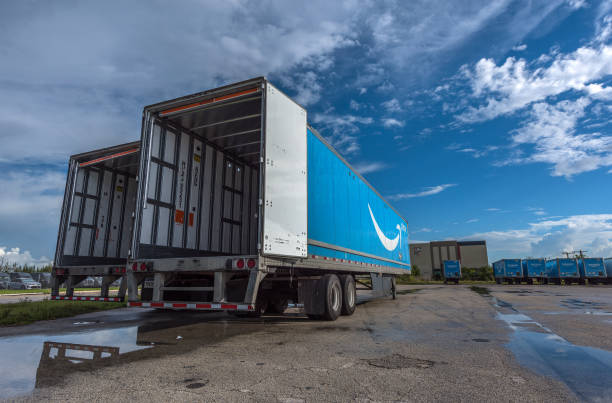
Why Can Amazon FBA Ocean Freight Lower Shipping Costs?
Ocean freight helps sellers manage logistics budgets, especially when shipping large quantities. Moreover, container capacity makes sea shipping suitable for heavy, bulky, and regularly replenished products. Businesses can therefore allocate more resources to inventory planning and other operating expenses.
However, freight rates alone do not determine the final shipping cost. Export handling, customs clearance, destination charges, and final delivery also affect the total expense. Consequently, sellers should evaluate the complete logistics cost before selecting a shipping method.
How Can Shipment Planning Improve Cost Efficiency?
First, calculate the shipment’s total volume, gross weight, carton count, and delivery requirements. Then, compare these details with available container space and consolidation options. This approach helps determine whether full container load (FCL) or less than container load (LCL) shipping offers better value.
Jinjieyun coordinates cargo pickup, export documentation, ocean transportation, customs clearance, and final delivery. In addition, this coordinated process helps business customers understand major shipping arrangements before cargo departure.
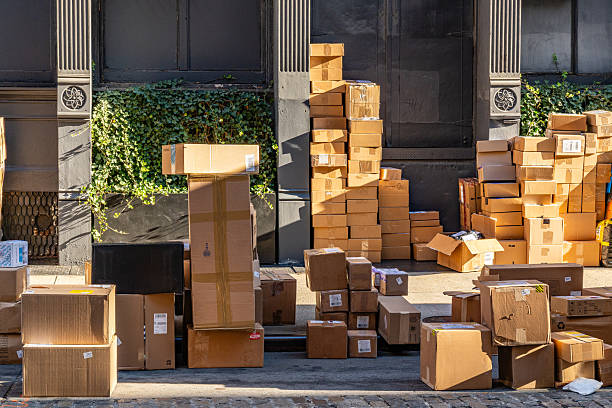
Should Sellers Choose FCL or LCL for China to USA Shipping?
Shipment size directly influences the most practical ocean freight arrangement. FCL suits businesses with sufficient cargo to justify a dedicated container. Meanwhile, LCL allows smaller shipments to share container space with other cargo.
Nevertheless, each option involves different handling requirements and scheduling considerations. FCL may simplify container loading for suitable volumes, while LCL offers flexibility for smaller consignments. Therefore, sellers should consider cargo readiness, consolidation schedules, and destination requirements together.
Which Shipping Option Fits Your Inventory?
| Shipping option | Pricing basis | Suitable applications | Key considerations |
|---|---|---|---|
| Ocean FCL | Container-based pricing | Large-volume and regular shipments | Container utilization and sailing schedules |
| Ocean LCL | Shared container space | Smaller inventory batches | Consolidation deadlines and handling charges |
| Air freight | Chargeable weight | Urgent and time-sensitive shipments | Cargo dimensions, weight, and arrival deadlines |
This comparison provides a practical starting point rather than a universal pricing rule. Actual costs depend on shipment details, routing, seasonal demand, and destination services.
Explore Jinjieyun’s product and service categories to identify logistics options that suit your business requirements.
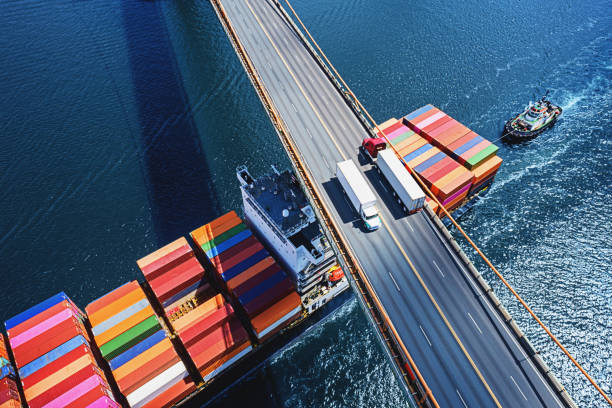
How Does Ocean Freight Support Amazon FBA Inbound Shipping?
Amazon fulfillment shipments require coordination beyond international transportation. For example, sellers must prepare shipment information, export documents, customs details, and destination delivery arrangements. Meanwhile, fulfillment center requirements may influence appointment scheduling and cargo delivery.
A coordinated shipping process connects these stages. Jinjieyun organizes cargo pickup from factories or warehouses, export customs clearance, ocean transportation, import clearance, and final delivery. Furthermore, the service coordinates delivery to Amazon fulfillment centers or designated addresses according to the agreed shipping arrangement.
How Can Sellers Reduce Documentation and Scheduling Risks?
First, confirm the destination, cargo details, and expected inventory arrival date. Next, provide accurate commercial invoices, packing lists, and other required shipping information. Then, align booking schedules with cargo readiness and fulfillment delivery requirements.
Moreover, sellers should allow reasonable time for customs inspections, port congestion, and seasonal fluctuations. These factors can influence shipping schedules, even when the original booking proceeds as planned. Careful preparation helps businesses manage these operational uncertainties more effectively.
Read our international shipping technical guide for additional information about shipment preparation and logistics coordination.
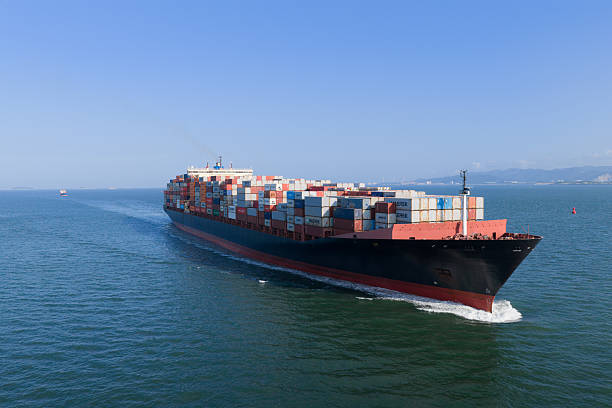
When Should Businesses Consider Air Freight from China to USA?
Air freight remains useful when inventory requires urgent replenishment or products have short selling windows. For instance, businesses may choose air shipping from China to the USA when delayed stock could interrupt sales. Similarly, China-to-USA air cargo can support smaller, time-sensitive consignments.
However, ocean freight deserves consideration when businesses can plan replenishment earlier. Air freight from China to the USA generally offers faster transportation, while ocean shipping can provide better cost efficiency for suitable cargo volumes. Therefore, sellers should weigh transportation expenses against delivery deadlines and inventory requirements.
A combined strategy may also suit established sellers. Businesses can use ocean freight for planned inventory and reserve air freight for selected urgent shipments. This approach supports more flexible inventory management without relying on one transportation method for every order.
Why Choose Jinjieyun for Amazon FBA Ocean Freight?
International freight forwarding requires accurate documentation, coordinated transport, and practical cost management. Jinjieyun supports business customers through organized shipment planning and coordinated logistics services. Moreover, its FCL and LCL options allow sellers to match shipping arrangements with actual cargo volumes.
The service covers major logistics stages, from origin pickup to final delivery. As a result, customers can work with one coordinating partner instead of managing every transportation stage independently. Clear shipment information also helps businesses assess costs, plan inventory arrivals, and make informed logistics decisions.
For wholesalers and established Amazon sellers, this combination of coordination, shipping options, and cost-conscious planning supports repeatable logistics operations. Additionally, professional handling and organized documentation help businesses maintain a more consistent inbound shipping process.
Ultimately, choosing Jinjieyun means considering more than the initial freight rate. Businesses can assess their overall logistics costs, delivery requirements, and service needs through a coordinated international freight forwarding arrangement.
Q&A: Amazon FBA Ocean Freight from China
Q1: Is ocean freight suitable for every Amazon FBA shipment?
Ocean freight suits planned, bulky, and larger-volume shipments. However, urgent inventory may justify air freight when delivery speed carries greater business value. Sellers should consider cargo size, delivery deadlines, and total logistics expenses before choosing.
Q2: How can Jinjieyun help businesses control shipping costs?
Jinjieyun coordinates cargo pickup, export handling, ocean transportation, customs clearance, and final delivery. In addition, its FCL and LCL options help businesses evaluate shipping arrangements according to cargo volume and delivery requirements. This coordinated service supports practical cost planning for B2B customers.
Q3: What information should sellers provide for a shipping quotation?
Provide the cargo description, carton count, gross weight, dimensions, pickup location, destination, and expected delivery timeframe. Also, share the Amazon fulfillment center destination and relevant shipping instructions. With these details, Jinjieyun can evaluate suitable shipping arrangements and prepare a more relevant quotation.